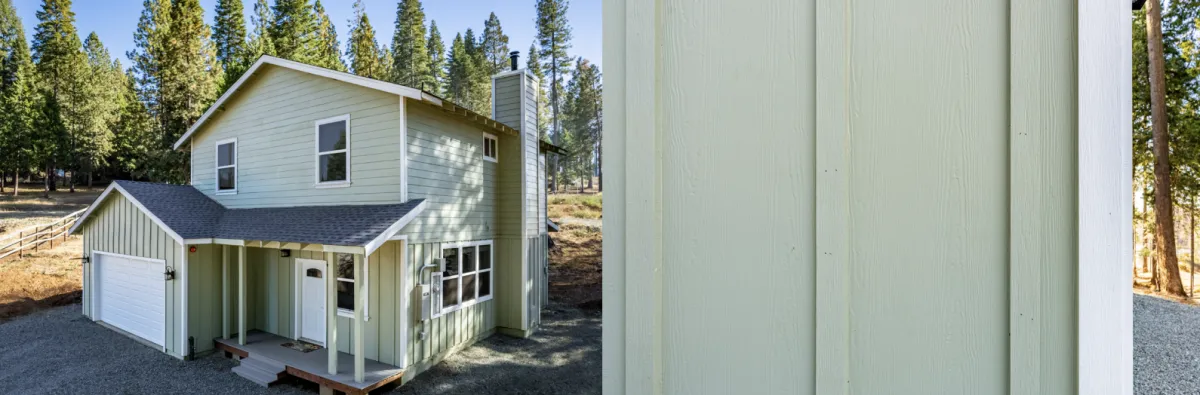
Colorado’s New Wildfire Building Code: Siding Tips for Foothills Homes
"Many Colorado foothills homes are picturesque, and increasingly vulnerable. Adapting your siding to Colorado's new wildfire building code protects your investment and your peace of mind." – Dennis Sackrider, CEO and Founder of Build Pro Exteriors
Living in Colorado's scenic foothills is a dream for many, but with beauty comes risk. As wildfires increasingly threaten mountain communities, Colorado's new wildfire building code: what foothills homeowners should know about siding is more important than ever for anyone owning, inheriting, or caring for a home in these high-risk areas. Whether your foothills property is a second home, a family legacy, or your peaceful escape, understanding new code requirements for siding can mean the difference between vulnerability and protection. Let's explore practical steps you can take to guard your home, your investment, and the safety of everyone inside.
What You’ll Learn About Colorado’s New Wildfire Building Code and Siding Requirements
How Colorado’s new wildfire building code impacts existing and older homes in the foothills
Essential siding materials and installation tips for compliance
Expert guidance on safeguarding your home and family
Understanding Colorado's New Wildfire Building Code: What Foothills Homeowners Should Know About Siding
Background: Why Colorado Adopted a New Wildfire Building Code
In recent years, Colorado has faced devastating wildfire seasons, prompting lawmakers to introduce more rigorous building codes, especially for homes in fire-prone foothills and mountain regions. The new regulations prioritize not just new builds but also significant upgrades and renovations on older homes, which make up a large share of Colorado's foothills residences. The intention is straightforward: make every structure more resistant to flames, embers, and heat. This means foothills homeowners, especially those with older or historic properties, now have to rethink their home's exterior, focusing on the siding, which is often the first line of defense against wildfire. For snowbirds and second-home owners who may be away during fire season, understanding and complying with these codes is critical to ensuring their property's continued safety.
What Makes Your Foothills Home Vulnerable Under the New Code?
Many existing foothills homes have beautiful, traditional wood siding or outdated vinyl, both of which are particularly susceptible to ignition from windblown embers, a leading cause of home loss in wildfires. The new code identifies certain materials and outdated construction features that increase wildfire risk, such as unsealed gaps, flammable trim, and unprotected eaves. If your home was built before these laws were enacted, you may find your siding is noncompliant, making your home both more at risk and potentially ineligible for insurance coverage. Seasoned homeowners and newcomers alike should carefully review their property's siding, especially if they have inherited an older home or purchased a beautiful, historic property in the foothills.
Dennis Sackrider's Insights: Building for Wildfire Resilience in Colorado
According to Dennis Sackrider, CEO and Founder of Build Pro Exteriors and a veteran with over 20 years in Colorado home protection, "Wildfire safety starts at the surface, your siding matters as much as your roof or defensible space." Sackrider stresses the importance of using noncombustible or ignition-resistant materials, installing them according to the latest code, and sealing every seam and joint. As codes continue to evolve based on recent fires and new research, having an expert on your side ensures your upgrades are both compliant and truly effective in reducing wildfire risks.
Choosing Siding to Comply With Colorado's New Wildfire Building Code - Approved Siding Materials for Wildfire-Prone Areas
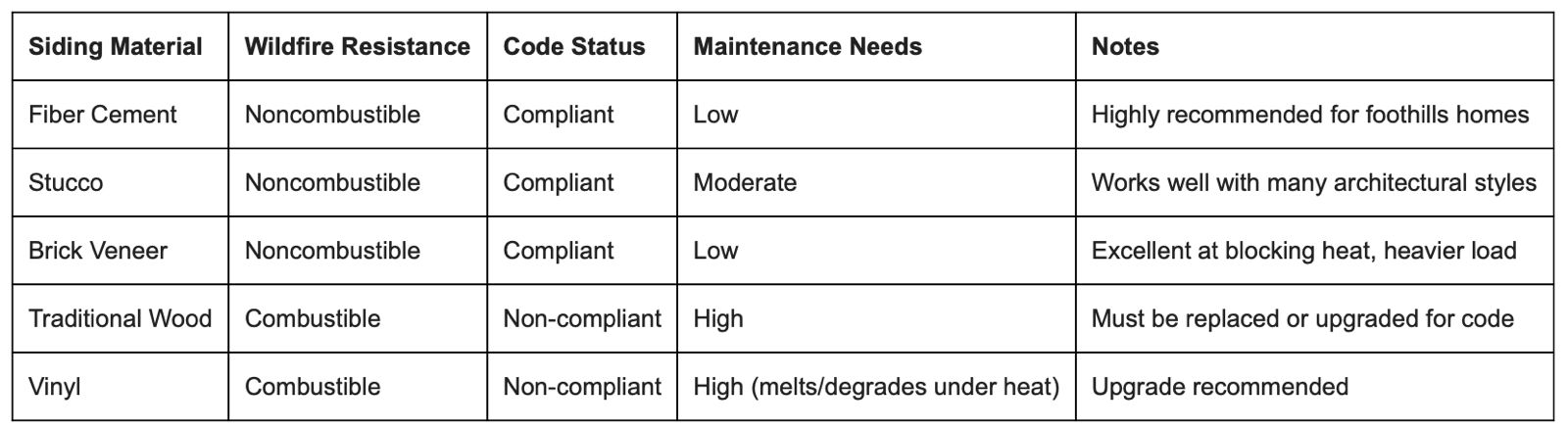
The latest Colorado wildfire codes specify approved siding materials for homes in designated Wildland-Urban Interface (WUI) zones, areas where urban development meets combustible wild landscapes. These approved materials include fiber cement siding, stucco, brick veneer, metal panels, and other products specially rated for ignition resistance. Homeowners should be wary of traditional wood, composite wood, and older vinyl siding. While attractive, these may need to be replaced to meet compliance and maintain insurance eligibility. For foothills homes, fiber cement is often the material of choice: it's durable, low-maintenance, and produced to resist heat and embers. Brick and stucco are similarly robust but may not be feasible on some older or uniquely styled properties. Consult with a siding expert familiar with Colorado's new wildfire building code and what foothills homeowners should know about siding for the best fit for your home's style, age, and local regulations.
Improving Siding Installation for Code Compliance and Protection
Simply choosing fire-resistant siding is not enough. Proper installation is essential for full code compliance. Every seam, corner, window trim, and base must be tightly sealed to prevent wind-driven embers from penetrating the siding and igniting underlying structures. Experts recommend using approved caulking, flashing, and noncombustible trim for maximum protection. Periodic professional inspection ensures that these protective measures remain intact over time, especially after winters of deep snow or heavy spring rains that can displace sealant or degrade materials. Homeowners should create a maintenance routine: inspect annually, reseal gaps promptly, and consult local code experts for guidance on evolving fire safety standards.
Retrofitting Older and Historic Homes in the Foothills
Retrofitting historic or older homes in the foothills presents unique challenges under the new wildfire codes. These homes are often cherished for their character and original materials, but may face extra scrutiny under local fire safety ordinances. Fortunately, modern fire-resistant siding can often be blended with vintage designs, preserving the charm while bringing the property up to code. Owners should work closely with contractors who specialize in historic homes and understand both aesthetics and compliance needs. If you're a remote owner or a snowbird, consider scheduling an expert assessment before wildfire season begins to identify code gaps and plan upgrades that don't sacrifice your home's unique appearance or safety.
Best Practices and Tips for Siding Under Colorado’s New Wildfire Code
Seal gaps and seams to prevent ember intrusion
Choose noncombustible or ignition-resistant materials
Regularly inspect and maintain siding
Dennis Sackrider’s Top 3 Siding Recommendations for Foothills Homeowners
1. Use fiber cement or metal siding whenever possible. These materials are proven to resist flame and embers, far exceeding the performance of wood or untreated composite boards.
2. Prioritize professional installation and regular maintenance. Even the best siding won’t protect your home if it’s improperly installed. Look for pros with specific experience in wildfire code compliance. 3. Don’t neglect details like caulking, flashing, and trim upgrades. It’s often small gaps or combustible trim that result in fire losses, especially during high wind events common in Colorado’s foothills.
"The right siding, installed to current code, is your first line of defense. Homeowners can save lives and property with smart choices." – Dennis Sackrider
Watch a guided walkthrough where a contractor and homeowner evaluate new siding installation, replacement with fiber cement, sealing details for ember resistance, and the panoramic mountain view that makes it all worthwhile. This visual guide can help you spot features to upgrade in your own home and see firsthand what compliance looks like.
Table: Siding Materials Comparison for Fire Resistance and Code Compliance
People Also Ask: Wildfire Safety and Home Protection in Colorado
Is 2026 going to be a bad fire season?
While no one can predict wildfire seasons with absolute certainty, recent trends and climate models suggest an ongoing heightened risk for Colorado’s foothills. Extended drought, warmer temperatures, and accumulated drought-stressed vegetation all contribute to potentially active fire seasons. Homeowners should assume continued vigilance is necessary, maintain code-compliant siding, and work proactively to keep their homes protected year after year.
Discussion: Fire Season Risk Factors in Colorado’s Foothills
Several factors influence fire risk in the foothills: prolonged dry weather, accumulated dead trees and brush, and strong seasonal winds. Properties with older, noncompliant siding or poorly maintained exteriors are especially vulnerable. The new wildfire building code was developed specifically to address these threats, providing proven solutions to make homes safer even in the face of unpredictable wildfire events.
How effective is a 5-foot defensible space at protecting homes from wildfires?
A 5-foot defensible space, essentially a buffer zone of cleared vegetation and noncombustible material around the base of the home, is critical to preventing fires from spreading directly to siding and other vulnerable areas. This clear zone can dramatically reduce ignition risk from embers and direct flame. However, it only works in tandem with fire-resistant siding and regular upkeep; defensible space is a proven part of Colorado’s newest fire safety codes and a smart practice for all foothills homeowners.
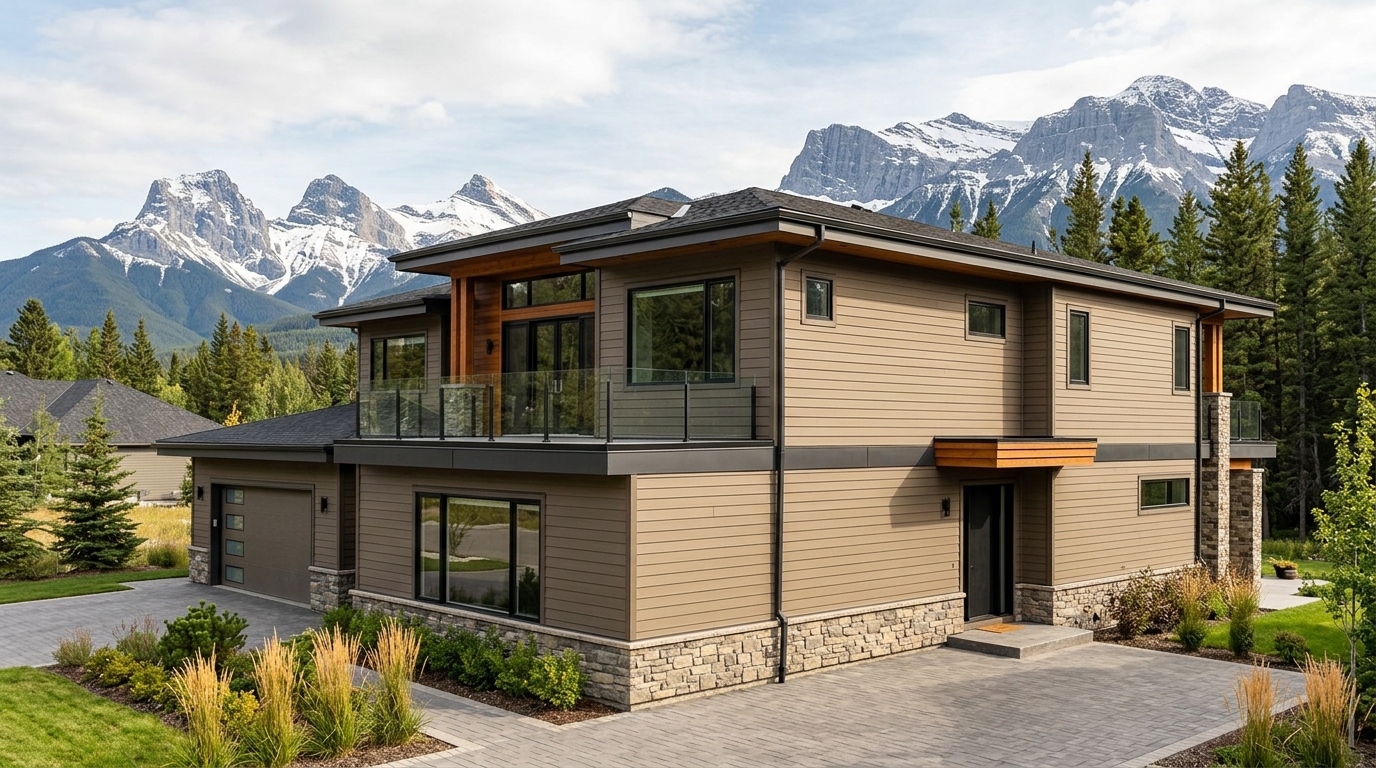
Defensible Space: Code Recommendations and Practical Impact
Under the new code, establishing a defensible space is both recommended and, depending on the municipality, often required. This means removing flammable plants, storing firewood away from the structure, and ensuring all mulch or gravel is fire-resistant. Periodic inspections and prompt attention to regrowth or debris help maintain this vital safety buffer. Pairing defensible space with wildfire-resistant siding offers robust, layered protection.
What does a stage 2 fire restriction in Colorado mean?
Stage 2 fire restrictions are implemented during periods of very high fire danger. These restrictions often ban all open fires, charcoal grilling, and even some outdoor work that could produce sparks. For homeowners, this means no outdoor burning, period. Always check your county's or city's emergency announcements to ensure you remain compliant, as violations can result in significant fines and liability in the event of an ignited fire.
Understanding Fire Restrictions and Homeowner Responsibilities
Fire restrictions change as conditions evolve. Homeowners are responsible for staying updated on current rules and complying with all safety requirements. This includes not only outdoor burning but also maintaining wildfire-safe exteriors and landscaping. Following both code and seasonal advisories maximizes your home's and community's protection.
Can I have a fire in my backyard in Colorado?
Backyard burning is heavily regulated, especially during fire season and in wildfire-prone areas like the foothills. Even within a fire-safe home, most open burning is prohibited under stage 2 restrictions or when fire danger is great. Always consult your local fire district and adhere to all posted regulations before considering any outdoor fire activities.
Home Fire Safety: What the New Code Means for Outdoor Burning
The new code focuses on limiting ignition sources in vulnerable areas. Upgrading siding and creating defensible spaces are just part of the safety puzzle; responsible outdoor behavior, like obeying burn bans and removing combustibles, completes the strategy. With the stakes this great, small changes in daily habits really do make a difference.
Watch Dennis Sackrider, a Colorado wildfire code expert, answer pressing questions from local homeowners about siding requirements, compliance challenges, and success stories of homes that survived recent wildfires thanks to smart siding upgrades and code-savvy preparation.
Frequently Asked Questions: Siding and Colorado's Wildfire Codes
Do I have to replace my siding immediately if it isn't compliant?
Not necessarily, but if you're planning renovations, repairing storm or fire damage, or seeking new insurance coverage, you may be required to update to compliant materials. Many counties phase in enforcement or offer incentives, but waiting too long could leave your home and investment at greater risk during fire season. Annual checkups by a fire-code specialist are recommended, especially for remote owners or snowbirds.
What siding upgrades add the most value and protection under the new code?
Upgrading to fiber cement, stucco, or other noncombustible materials offers the best blend of increased home value, insurance eligibility, and real-world protection against fire. Enlisting an experienced, code-savvy contractor ensures that all seams, trims, and joints are sealed as required, locking in both compliance and long-term peace of mind.
How can snowbirds and remote homeowners ensure their property complies with the code?
Engage a trusted local contractor or fire safety expert to schedule annual inspections, even if you're out of state or only visit seasonally. Consider remote monitoring tools (like weather-resistant cameras) and make sure neighbors or property managers know your wildfire safety plan. Being proactive with siding and landscaping updates reduces risk, insurance complications, and protects your home for the long term.
Key Takeaways: Colorado's New Wildfire Building Code and Siding
Understand and comply with the latest wildfire building code, especially if you own a foothills, older, or second home
Use noncombustible siding materials and seal all gaps for maximum protection
Pair code-compliant siding with careful landscaping and responsible outdoor behavior
Leverage local experts like Dennis Sackrider for trusted guidance and peace of mind
Ready to Protect Your Foothills Home? Consult a Code Expert Today
Don't wait until wildfire season is upon you. Schedule a code compliance assessment with a local specialist now for advice tailored to your home's needs. Your investment, your family, and your peace of mind are worth it.